Poly(glycidyl methacrylate) (PGMA)
Manufacturer: Weicheng Advanced Material (Shandong) Co., Ltd
Mw: 40,000 – 80,000 g/mol
CAS No.: 25067-05-4
Physical form: White free-flowing powder
Standard: UN GHS Globally Harmonized System
For formal MSDS, please contact us directly, thank you!
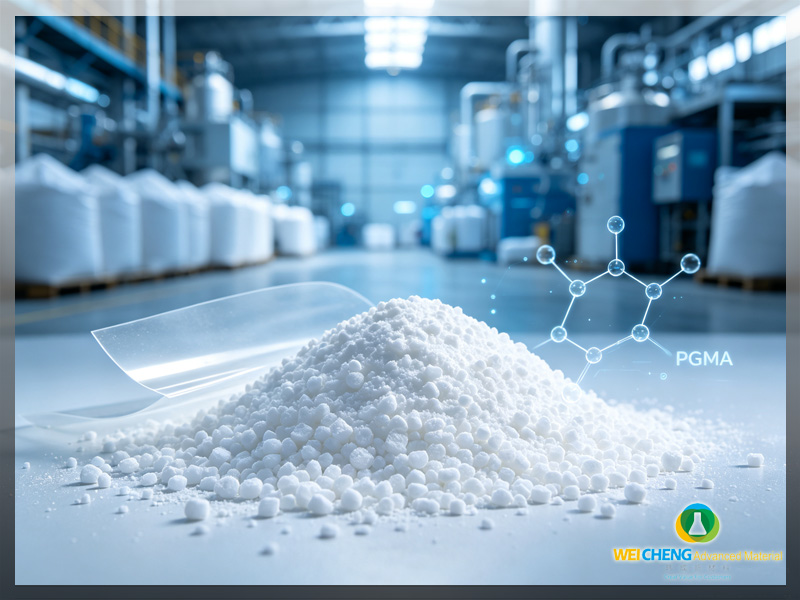
SECTION 1: IDENTIFICATION OF THE SUBSTANCE AND SUPPLIER
Product Name: Poly(glycidyl methacrylate)Abbreviation: PGMASynonym: Poly(oxiran-2-ylmethyl methacrylate)CAS Number: 25067-05-4Weight Average Molecular Weight (Mw): 40,000 – 80,000 g/molPhysical State: White free-flowing powder
Manufacturer:Weicheng Advanced Material (Shandong) Co., LtdContact: Export Technical Department
Recommended use: Functional epoxy acrylic resin; chain extender for biodegradable plastics, additive for PCB ink, powder coating & UV coating modifier.Restriction of use: Only for industrial application. Not for food, medical or cosmetic direct contact.
SECTION 2: HAZARDS IDENTIFICATION
GHS ClassificationThis high molecular weight polymer is classified as LOW HAZARD. Risk mainly originates from trace residual glycidyl methacrylate monomer.
Signal Word: WarningGHS Pictogram: GHS07 (Exclamation mark)
Hazard StatementsH319 Causes serious eye irritation.H335 May cause respiratory irritation if dust inhaled.
Precautionary StatementsP264 Wash skin thoroughly after handling.P280 Wear eye protection, dust mask and protective gloves.P305+P351+P338 IF IN EYES: Rinse continuously with water for several minutes. Remove contact lenses if present and easy to do. Continue rinsing.P342+P311 If experiencing respiratory symptoms: Call a doctor.P501 Dispose of waste material in accordance with local regulations.
Additional hazard information:Not flammable solid. No acute oral/dermal toxicity for polymer itself. Dust cloud may form combustible dust risk under high concentration.
SECTION 3: COMPOSITION / INFORMATION ON INGREDIENTS
| Component | CAS No. | Concentration |
|---|
| Poly(glycidyl methacrylate) (PGMA) | 25067-05-4 | ≥99.7 wt% |
| Residual Glycidyl Methacrylate (GMA monomer) | 106-91-2 | ≤0.3 wt% |
SECTION 4: FIRST-AID MEASURES
Inhalation
Remove victim to fresh air. Keep resting in a comfortable breathing position. If cough, irritation or difficulty breathing persists, seek medical advice.
Skin contact
Wash contaminated skin with plenty of running water. Take off contaminated clothing. If skin irritation occurs, consult a physician.
Eye contact
Immediately rinse eyes with large amounts of clean water for minimum 15 minutes. Hold eyelids open. Seek medical treatment if irritation continues.
Ingestion
Do NOT induce vomiting. Rinse mouth with water. Never give liquid to unconscious person. Seek medical help if large amount swallowed.
SECTION 5: FIRE-FIGHTING MEASURES
Suitable extinguishing media: Dry chemical powder, carbon dioxide (CO₂), foam.Unsuitable extinguishing media: Direct strong water jet (may spread powder dust).
Hazardous combustion products: Carbon monoxide, carbon dioxide, small amounts of organic fumes.Special protective equipment for firefighters: Self-contained breathing apparatus (SCBA), full protective suit.Additional note: Avoid generation of suspended dust; dust-air mixture may risk dust explosion under high temperature.
SECTION 6: ACCIDENTAL RELEASE MEASURES
Personal precautions: Wear dust mask, safety goggles and nitrile gloves. Avoid dust inhalation. Eliminate all ignition sources.
Methods for containment & cleaning:Collect spilled powder with dry cleaning tools. Avoid generating dust. Place material into sealed container for recovery or disposal. Prevent powder from entering sewer, surface water and soil.
SECTION 7: HANDLING AND STORAGE
Handling
Provide local ventilation to control dust concentration. Avoid dust formation. Prevent electrostatic accumulation. Do not eat, drink or smoke in working area. Wash hands thoroughly after operation.
Storage
Store container tightly sealed. Keep in cool, dry, ventilated warehouse.Storage temperature: 5 ~ 30 ℃. Protect from moisture, direct sunlight and heat sources.Separated storage from strong oxidants, strong acids.Shelf life: 12 months under proper storage.
SECTION 8: EXPOSURE CONTROLS / PERSONAL PROTECTION
Exposure limit values: No established occupational limit for PGMA polymer. Control dust concentration as general inert dust standard.
Engineering controls: Local exhaust ventilation in dust generating working station.
Personal protective equipment (PPE)Respiratory protection: Dust respirator when airborne powder exists.Eye protection: Safety chemical goggles.Skin protection: Nitrile rubber gloves, dust-proof work clothing.
SECTION 9: PHYSICAL AND CHEMICAL PROPERTIES
Appearance: White free-flowing powderOdor: Faint characteristic odor; almost odorlessGlass Transition Temperature (Tg): 42 ~ 48 ℃Thermal Decomposition Temperature: ≥250 ℃Epoxy Equivalent: 280 ~ 360 g/eqSolubility: Soluble in THF, acetone, DMF, MEK; Insoluble in water, aliphatic hydrocarbonsDensity: 1.19 ~ 1.21 g/cm³Combustibility: Non-flammable solidpH: Not applicable (solid polymer)
SECTION 10: STABILITY AND REACTIVITY
Chemical stability: Stable under recommended storage conditions.Conditions to avoid: High temperature, open flame, excessive dust suspension.Incompatible materials: Strong oxidizing agents, strong mineral acids.Hazardous reactions: No known dangerous polymerization. Epoxy groups may slowly react with amine, carboxyl compounds.Hazardous decomposition products: No dangerous decomposition at normal temperature.
SECTION 11: TOXICOLOGICAL INFORMATION
No complete toxicological test data for this high molecular PGMA. Based on polymer structure:
The high-molecular-weight polymer itself cannot penetrate skin barrier; low toxicity.
Risk mainly comes from trace residual GMA monomer, which may irritate eyes and respiratory tract.
Not classified as carcinogen, mutagen or reproductive toxicant.
SECTION 12: ECOLOGICAL INFORMATION
Biodegradability: High molecular polymer is not readily biodegradable.Bioaccumulation: Low bioaccumulation potential.Ecotoxicity: Low toxicity to aquatic organisms. Do not discharge freely into water environment.
SECTION 13: DISPOSAL CONSIDERATIONS
Dispose waste PGMA powder according to local environmental laws.Recommended method: Incineration at authorized chemical waste treatment plant.Do not discard together with domestic garbage. Recycle reusable materials if possible.Contaminated packaging: Clean thoroughly or treat as chemical waste.
SECTION 14: TRANSPORT INFORMATION
UN Number: Not classified as dangerous goods (NON-DG)Proper shipping name: Not dangerous goods for transportTransport class: NonePacking group: NoneRemarks: All transport modes (sea, air, road) not restricted as hazardous chemical. Keep package sealed, prevent moisture and package breakage leading to dust leakage.
SECTION 15: REGULATORY INFORMATION
This product complies with general industrial chemical regulations.Listed status: TSCA inventory; Reach polymer exemption (Mw>1000).Local regulations should be confirmed for import requirements of destination country.
SECTION 16: OTHER INFORMATION
Disclaimer:All information provided in this MSDS is based on currently available data. It describes safety requirements for the product and does not constitute any specification guarantee.Weicheng Advanced Material (Shandong) Co., Ltd shall not be liable for any improper operation based on this document. Users shall judge suitability and take corresponding safety measures independently.
Document Issued by:Weicheng Advanced Material (Shandong) Co., Ltd


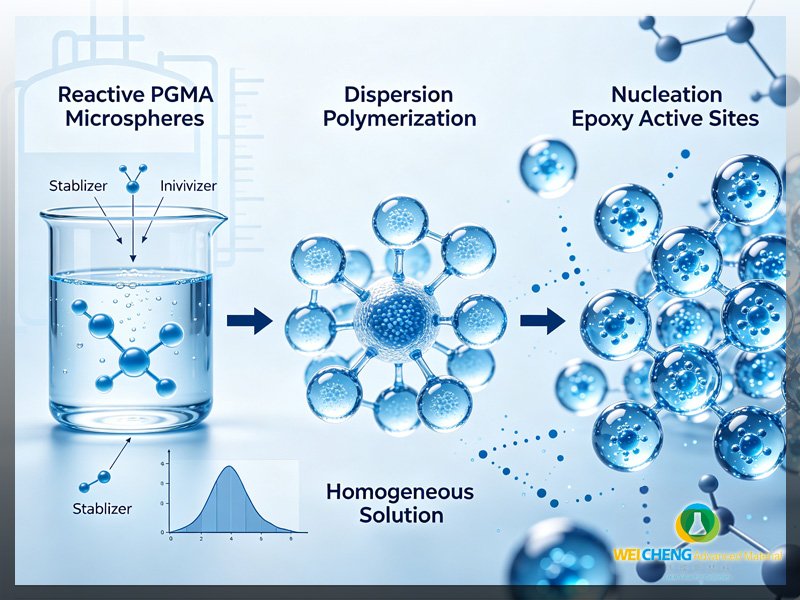 Reactive Poly(glycidyl methacrylate) Microspheres Prepared by Dispersion Polymerization
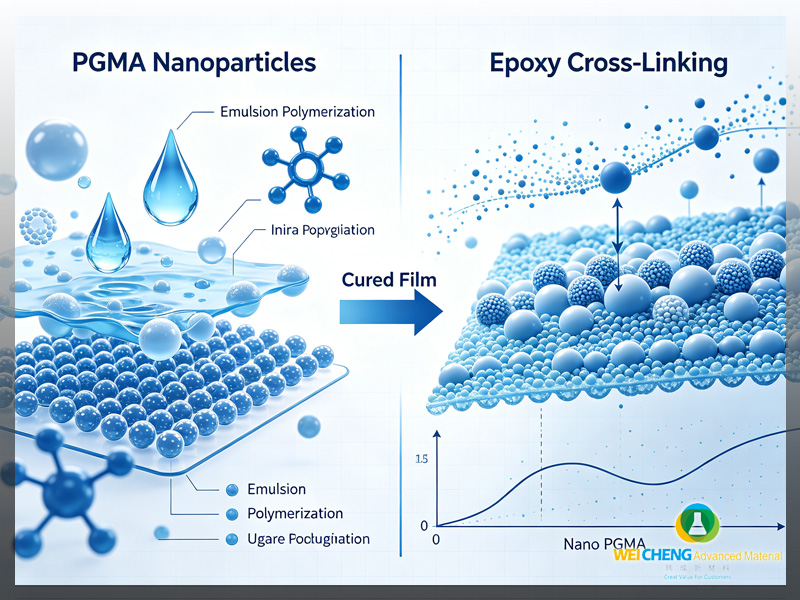 Synthesis and Curing of Poly(glycidyl methacrylate) (PGMA) Nanoparticles
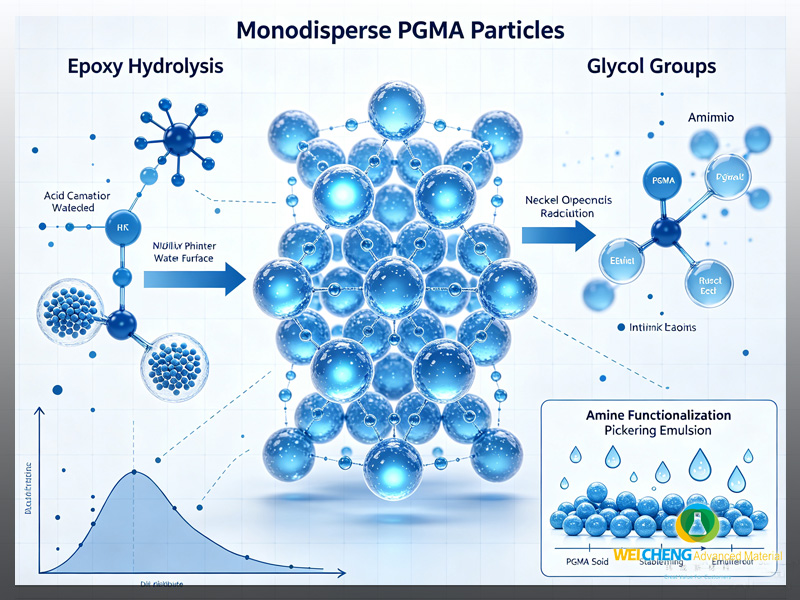 PGMA Micro‑Particles: Two‑Stage Dispersion Polymerization, Epoxy Ring‑Opening & Surface Functionalization
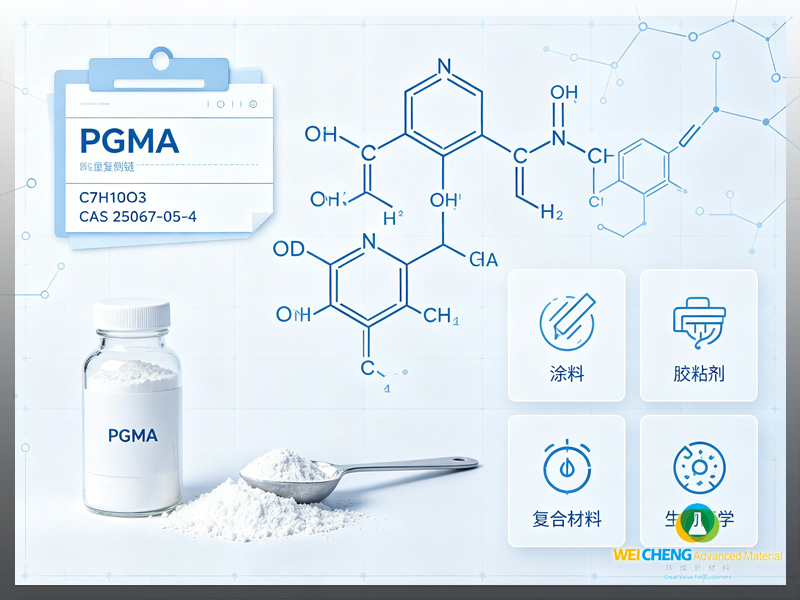 Poly(glycidyl methacrylate) PGMA|CAS 25067‑05‑4, Chemical Properties & Applications
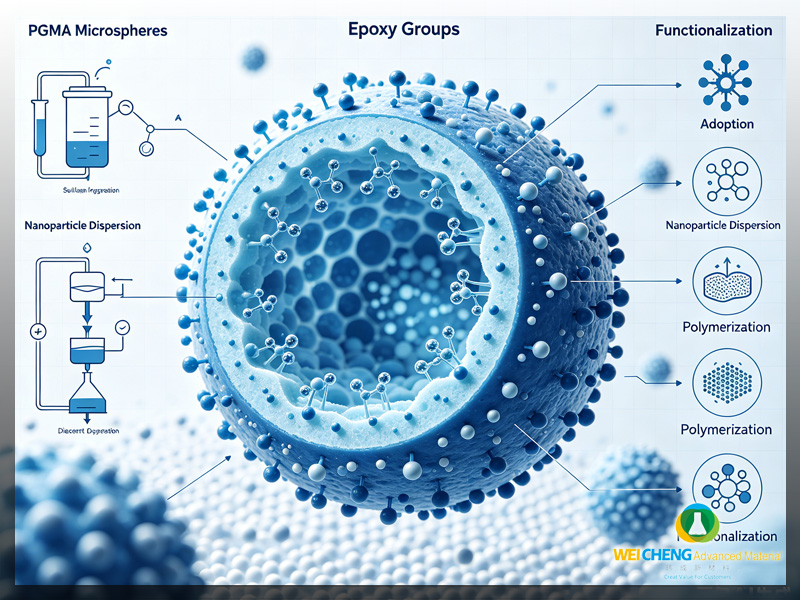 A Review on Engineering of Poly(Glycidyl Methacrylate) Microspheres
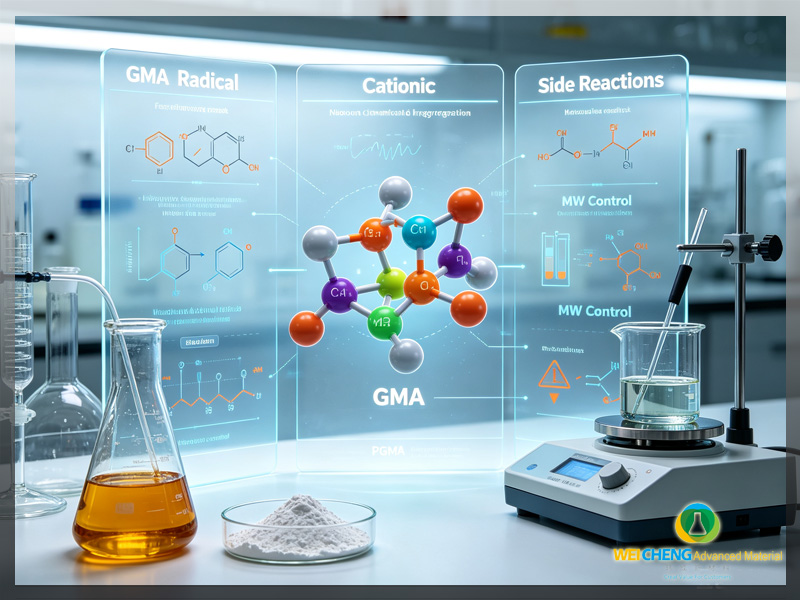 Glycidyl Methacrylate (GMA): Bifunctional Monomer, Radical & Ionic Polymerization Mechanism Comparison
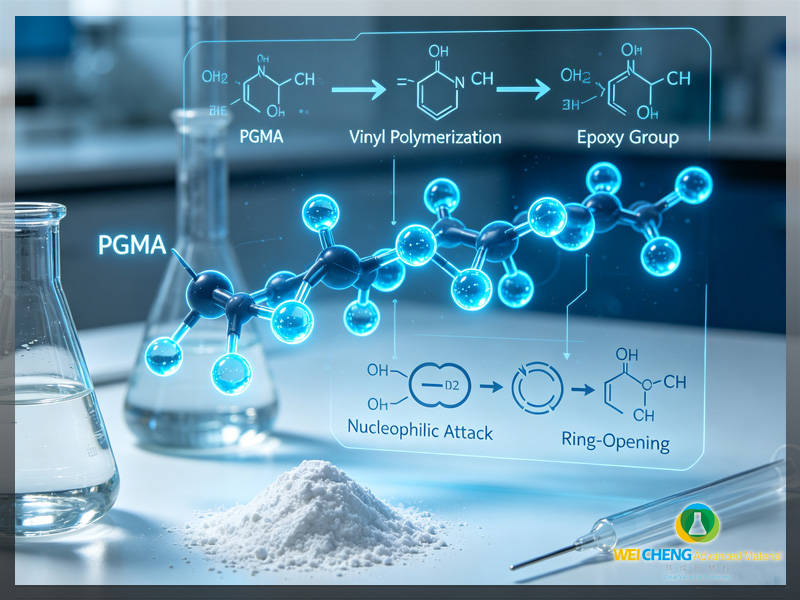 Poly(glycidyl methacrylate): Ring-opening and Radical Polymerization Mechanisms
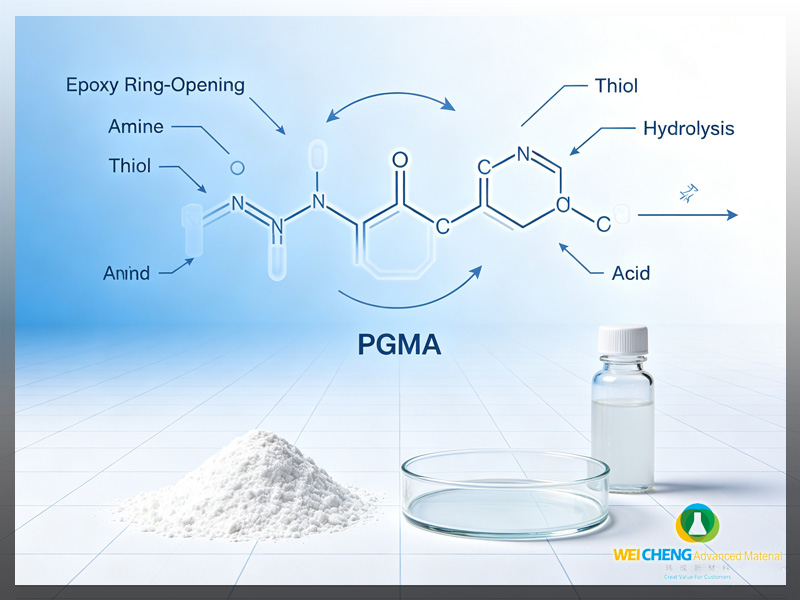 Post-polymerization Modification Reactions of Poly(glycidyl methacrylate) (PGMA)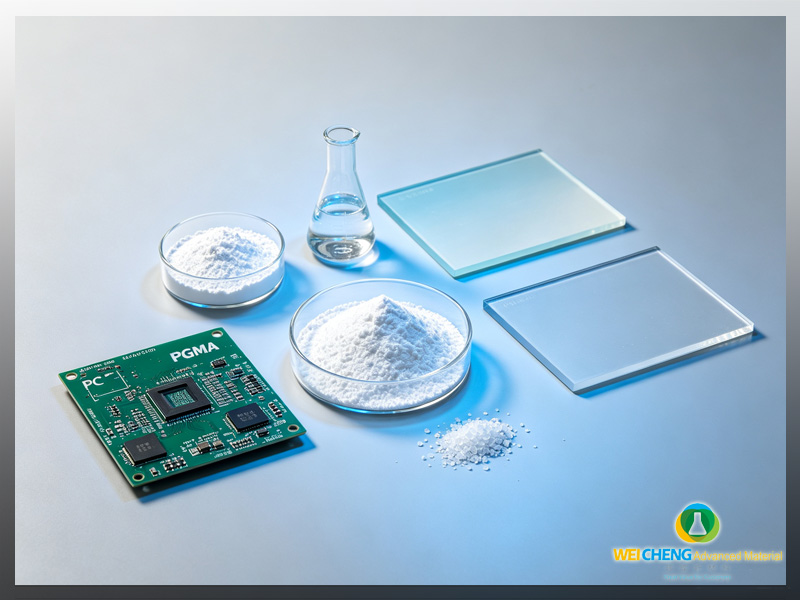

 Home
Home Products
 News
News Call
Call