

-
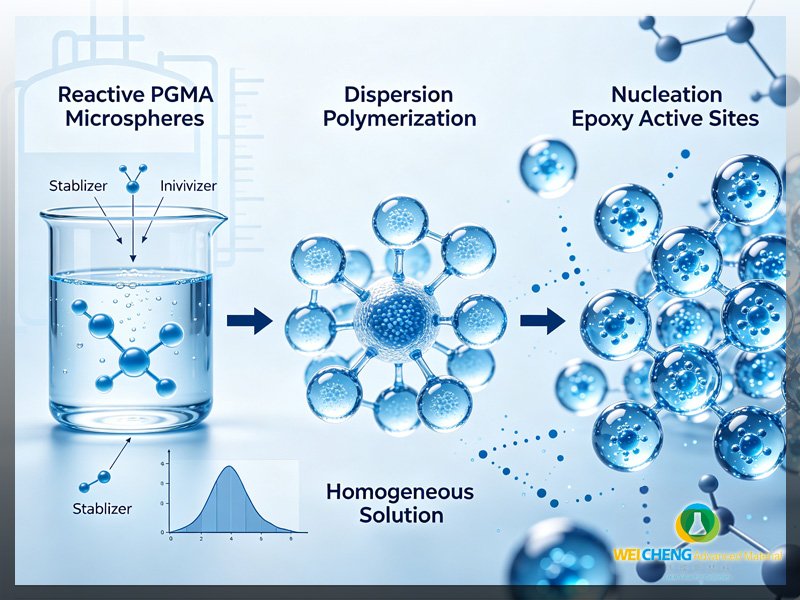
Reactive Poly(glycidyl methacrylate) Microspheres Prepared by Dispersion Polymerization
Dispersion‑polymerized reactive PGMA microspheres, particle formation mechanism, key process parameters, surface epoxy reactivity and practical applications. H···VIEW MORE →2026-08-04 -
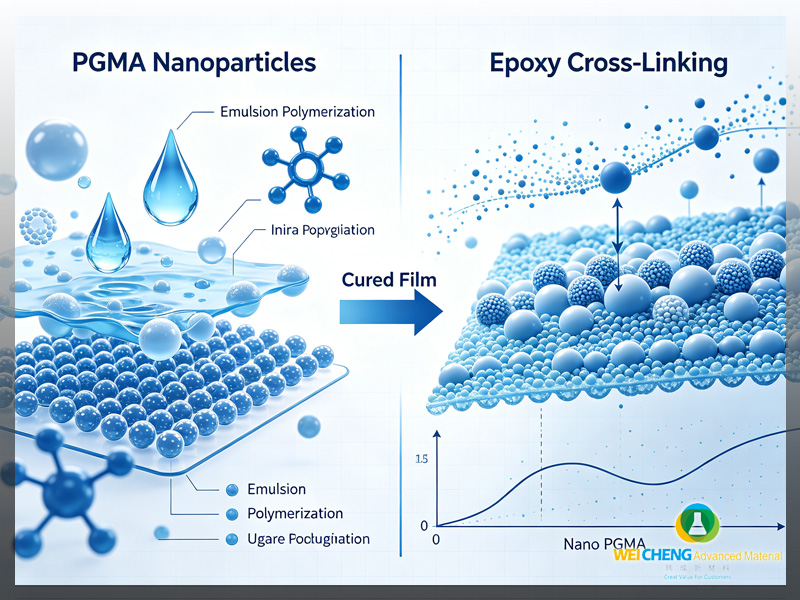
Synthesis and Curing of Poly(glycidyl methacrylate) (PGMA) Nanoparticles
Synthetic approaches, curing mechanism and cross‑linking behavior of PGMA nanoparticles. Explore epoxy‑driven curing performance and application prospects for···VIEW MORE →2026-08-04 -
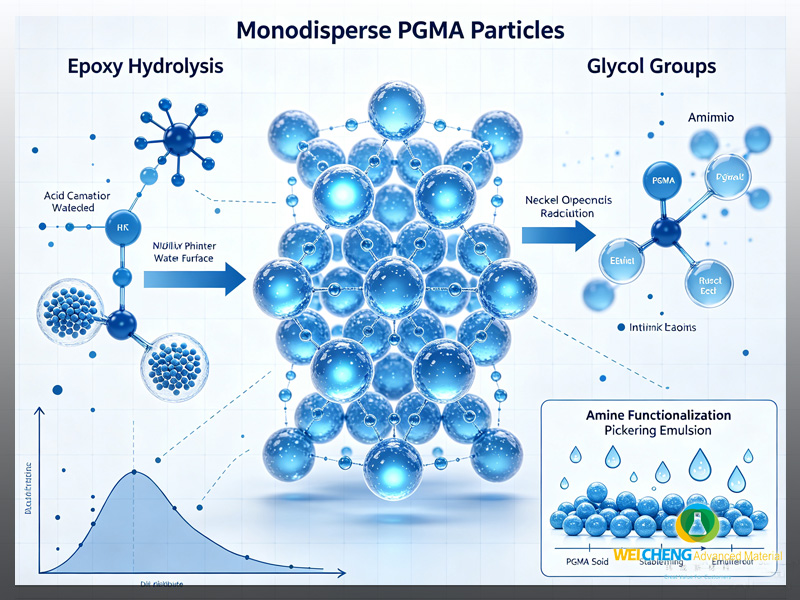
PGMA Micro‑Particles: Two‑Stage Dispersion Polymerization, Epoxy Ring‑Opening & Surface Functionalization
Introduction to monodisperse PGMA particles prepared by two‑stage dispersion polymerization. Epoxy‑to‑glycol hydrolysis for Pickering emulsion stabilization,···VIEW MORE →2026-08-04 -
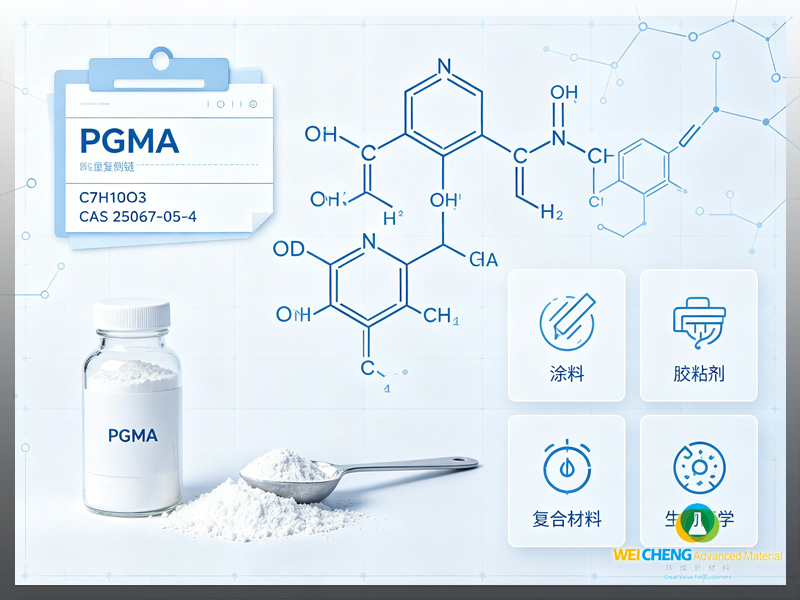
Poly(glycidyl methacrylate) PGMA|CAS 25067‑05‑4, Chemical Properties & Applications
Basic introduction of Poly(glycidyl methacrylate) PGMA CAS 25067‑05‑4, chemical features, epoxy reactivity, copolymerization & functional modification, indust···VIEW MORE →2026-08-04 -
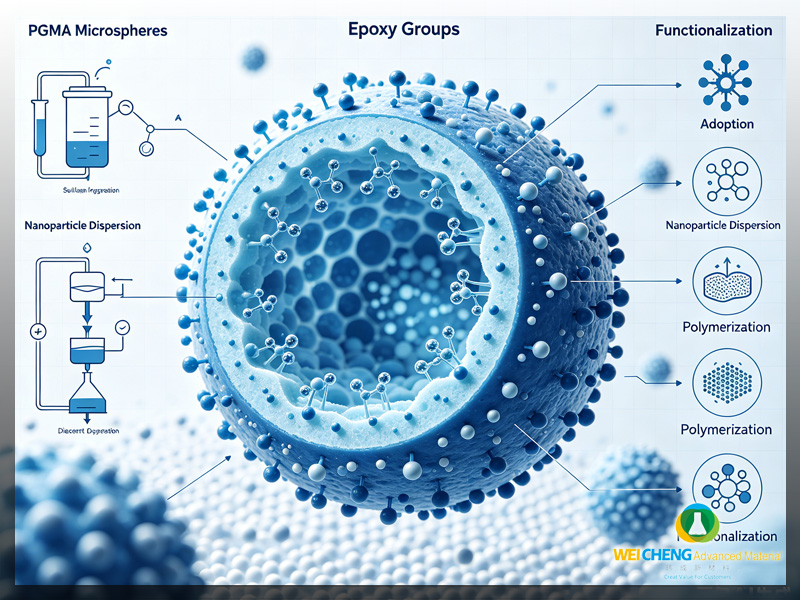
A Review on Engineering of Poly(Glycidyl Methacrylate) Microspheres
Review of PGMA microspheres preparation, functionalization, nanoparticle composite modification, characterization and research progress. Explore unique colloida···VIEW MORE →2026-08-04 -
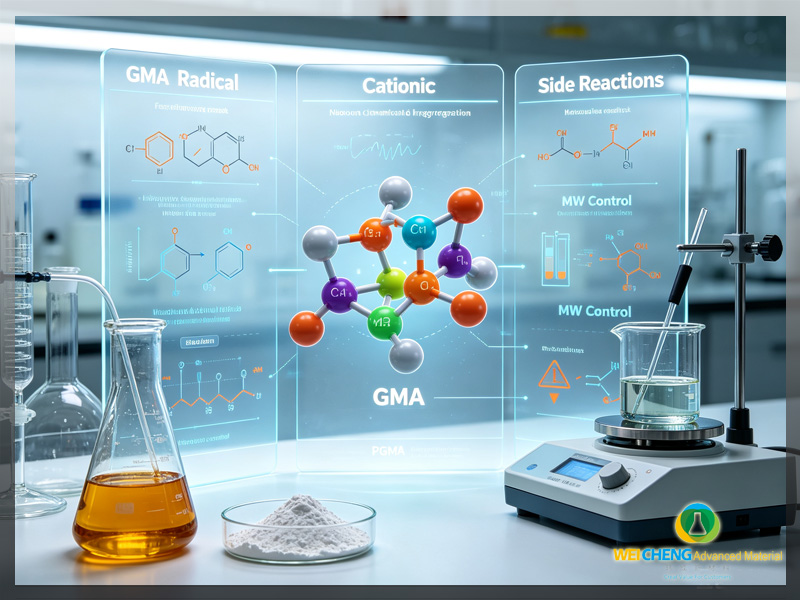
Glycidyl Methacrylate (GMA): Bifunctional Monomer, Radical & Ionic Polymerization Mechanism Comparison
Mechanism‑oriented comparative analysis of GMA polymerization. Understand radical, anionic and cationic polymerization pathways of bifunctional GMA monomer for···VIEW MORE →2026-08-04 -

Poly(glycidyl methacrylate): Ring-opening and Radical Polymerization Mechanisms
Deep dive into PGMA chemistry: radical polymerization mechanism of GMA monomer and nucleophilic ring-opening reaction mechanism of pendant epoxy groups. Learn r···VIEW MORE →2026-08-04 -
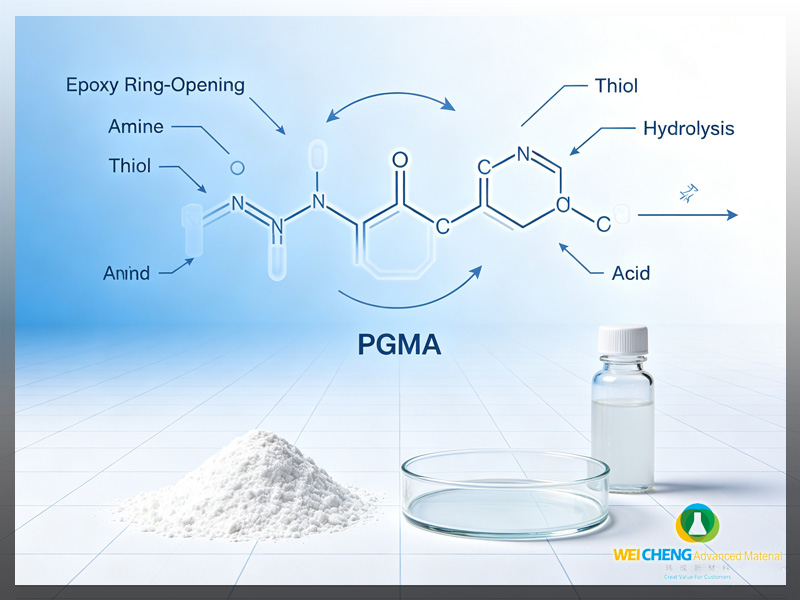
Post-polymerization Modification Reactions of Poly(glycidyl methacrylate) (PGMA)
Comprehensive introduction to PGMA post-polymerization modification via pendant epoxide ring-opening. Explore amine–epoxy, thiol–epoxy, acid–epoxy reactions ···VIEW MORE →2026-08-04



 Home
Home Products
 News
News Call
Call