


Preparation Process & Synthesis Methods of Poly(glycidyl methacrylate) (PGMA)
- 2026-08-04
- 82
- Weicheng Advanced Material (Shandong) Co., Ltd.
AI-assisted content. please verify.
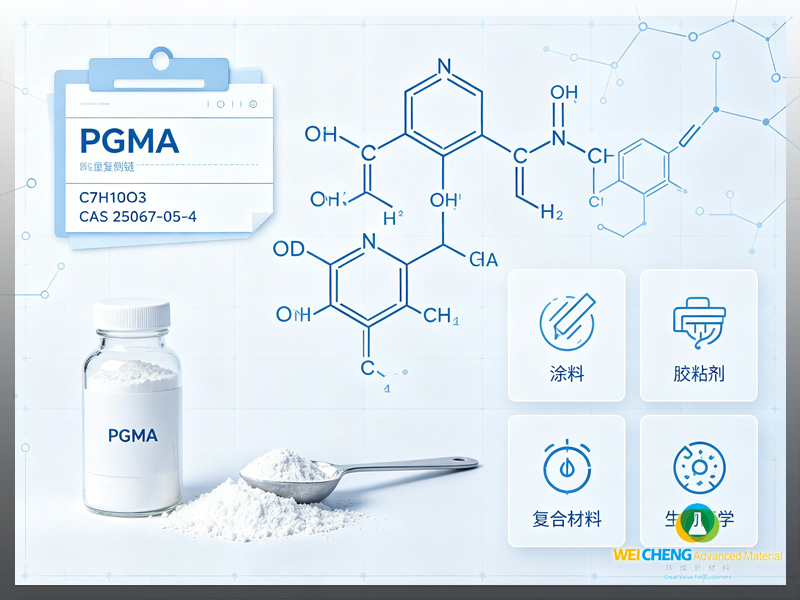
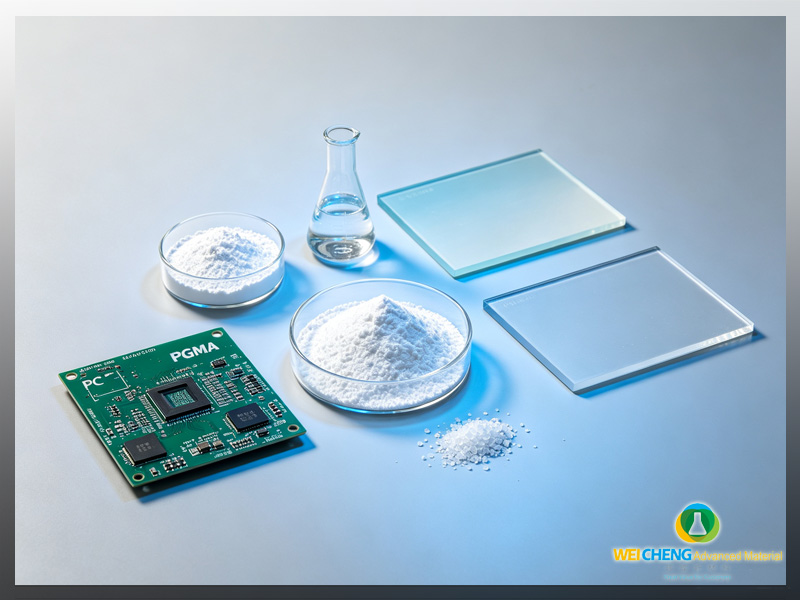
Poly(glycidyl methacrylate) (PGMA) is a functional epoxy-containing acrylic polymer synthesized from glycidyl methacrylate (GMA) monomer. The selection of synthetic route, reaction parameters and purification process directly determines molecular weight, PDI, residual monomer content, color and final application performance of PGMA.Weicheng Advanced Material owns the full industrial chain: self-produced high-purity GMA monomer (99.9% purity, annual capacity 6000 tons) and mature free-radical polymerization process to manufacture industrial-grade PGMA (Mw 40,000–80,000).
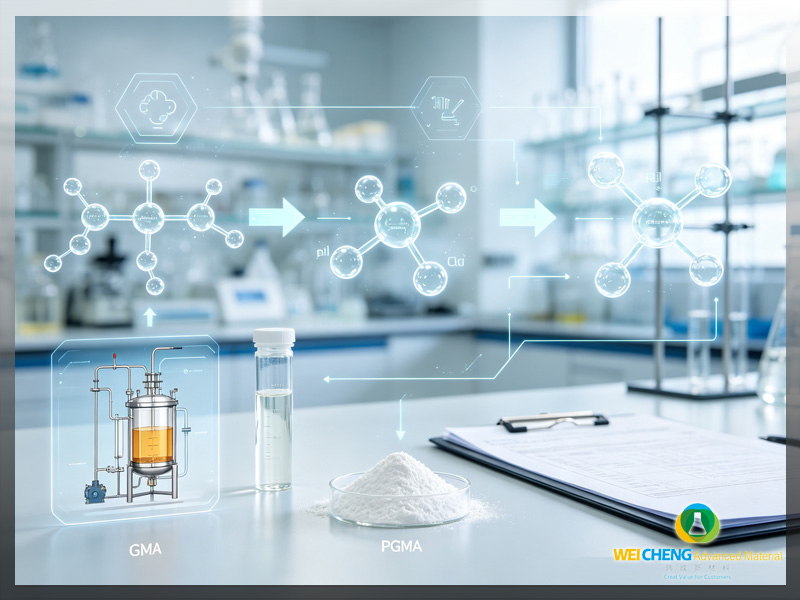
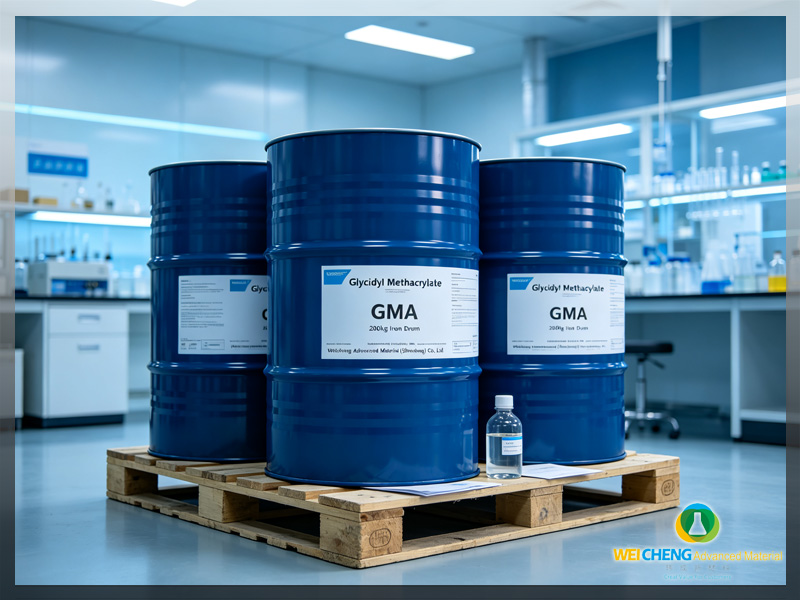
1. Monomer Synthesis: Glycidyl Methacrylate (GMA)
GMA is the essential raw monomer for PGMA production.Industrial synthesis route:Methacrylic acid reacts with epichlorohydrin under alkaline catalyst conditions via ring-opening and closed-loop reaction to generate glycidyl methacrylate.After synthesis, crude GMA needs continuous rectification purification to reach 99.9% high purity, reducing impurities which cause yellowing during PGMA polymerization.
High purity GMA is the prerequisite for producing low-residual-monomer, low-yellowing electronic-grade PGMA.
2. Main Polymerization Techniques for PGMA
Multiple polymerization approaches can be adopted to synthesize PGMA with different target specifications:
2.1 Conventional Free Radical Polymerization
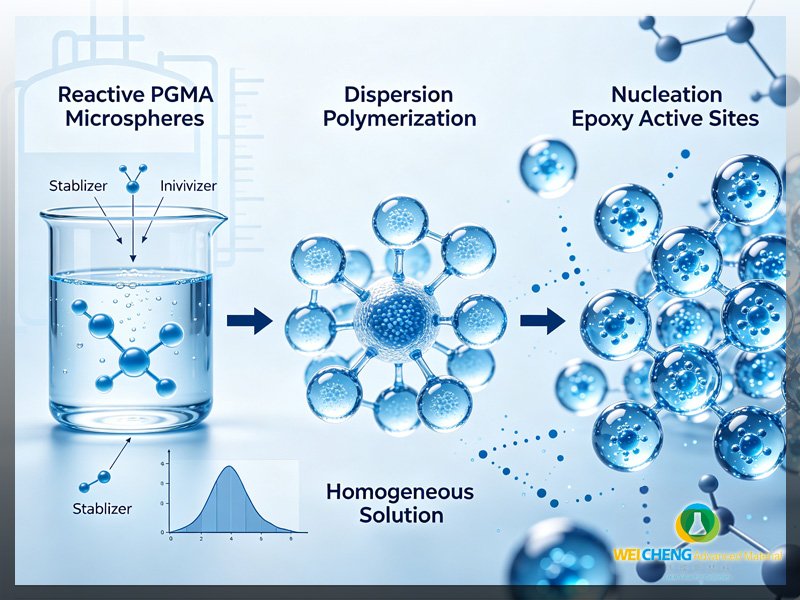
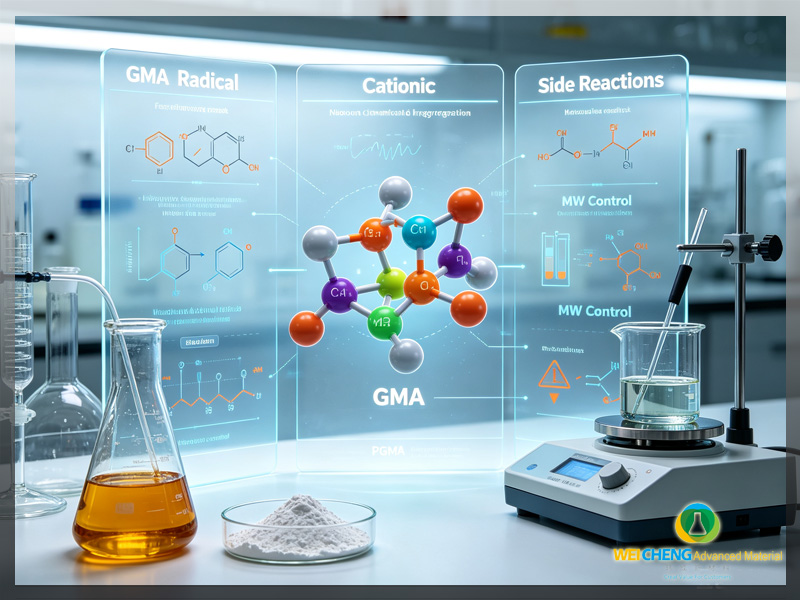
The dominant industrial production method.Initiators such as peroxides or azo compounds trigger polymerization of GMA.
✅ Advantages: Low production cost, easy scale-up, suitable for mass industrial manufacturing
⚠️ Limitation: Relatively wider molecular weight distribution (higher PDI); reaction parameters require precise control to suppress side reactions
Weicheng adopts optimized free radical polymerization process to produce commercial PGMA for coatings, inks and biodegradable plastic modification.
2.2 Controlled Radical Polymerization
Represented by ATRP and RAFT polymerization.These technologies achieve precise control over molecular weight and narrow polydispersity.
✅ Advantages: Well-defined molecular structure, narrow PDI, controllable chain architecture
⚠️ Limitation: High cost, difficult for large-scale industrial production; mostly applied in laboratory research and high-end customized fine materials
2.3 Enzymatic Polymerization
Green synthetic route using biocatalysts such as horseradish peroxidase.
✅ Advantages: Mild reaction conditions, environmentally friendly
⚠️ Limitation: Restricted reaction system, low yield, not yet realized mass production
3. Key Reaction Condition Parameters
The polymerization result is highly sensitive to processing variables:
Monomer concentration
Initiator category and dosage
Reaction temperature
Solvent system
Holding reaction time
Adjusting these factors can effectively regulate polymerization rate, target molecular weight and polydispersity index of PGMA. Improper control leads to excessive residual GMA monomer, crosslinking gelation or inconsistent batch quality.
4. PGMA Purification & Characterization
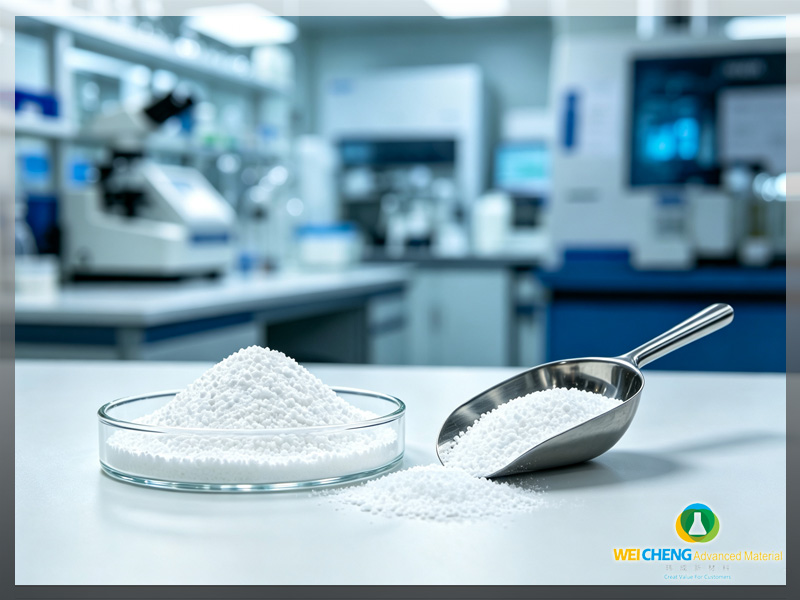
After polymerization, crude PGMA requires purification treatment: common methods include solvent precipitation and dialysis, to remove residual monomer, initiator fragments and oligomers.Standard characterization testing items:
FTIR / NMR: Confirm molecular structure and epoxy group retention
GPC: Test molecular weight (Mn, Mw) and PDI
DSC: Measure glass transition temperature (Tg)
Epoxy equivalent titration: Verify reactive epoxy content
GC: Detect residual GMA monomer content
Every batch of Weicheng PGMA undergoes full testing before delivery and provides official COA report.
5. Post-Modification & Functionalization of PGMA
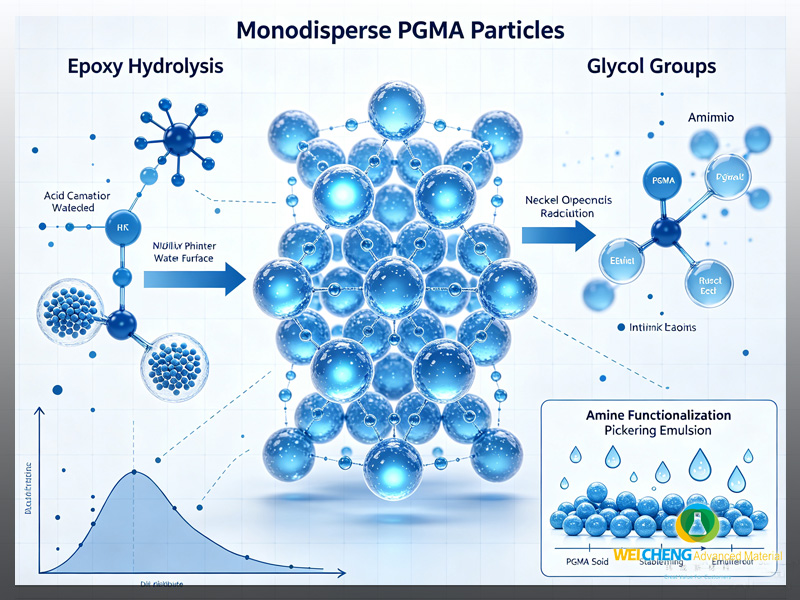
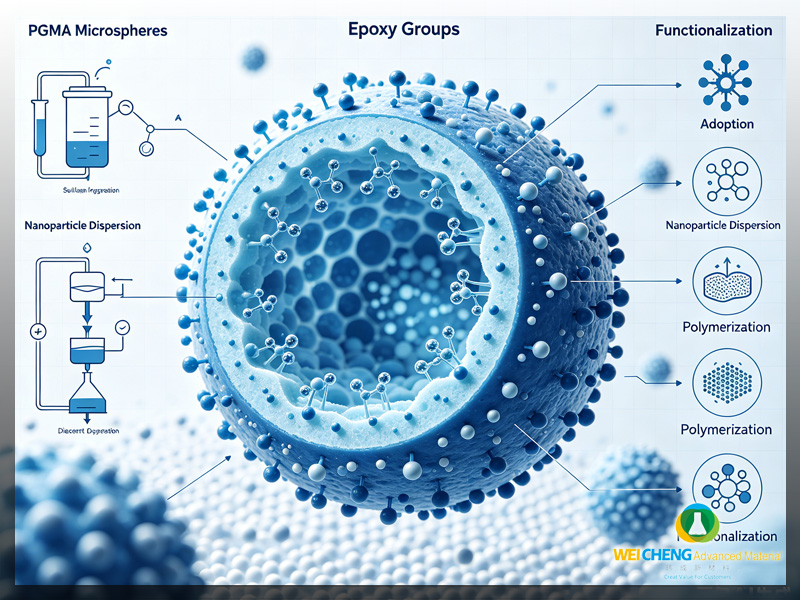
Abundant pendant epoxy groups on PGMA molecular chains provide active sites for further chemical modification.Typical modification route:Epoxy ring-opening reaction between PGMA and amine compounds introduces amino functional groups, which greatly improves adsorption performance, adhesion and reactivity.Besides amination, PGMA can also carry out grafting, crosslinking and copolymerization to customize material properties for special scenarios.
Weicheng Advantages on PGMA Manufacturing
✅ Vertical integration: Self-made 99.9% purified GMA raw material
✅ Mature scalable free radical polymerization technology
✅ Strict process control to limit residual monomer ≤0.3 wt%
✅ Adjustable molecular weight Mw 40,000–80,000
✅ Low hydrolyzable chlorine electronic grade available for PCB ink
✅ Complete QC laboratory with GPC, DSC, GC, FTIR equipment
✅ ISO certified, EU REACH compliant
Contact Weicheng Advanced Material (Shandong) Co., Ltd to obtain PGMA samples and technical data sheets.

 Home
Home Products
 News
News Call
Call