


Comprehensive Applications of Poly(glycidyl methacrylate) (PGMA)
- 2026-08-04
- 80
- Weicheng Advanced Material (Shandong) Co., Ltd.
AI-assisted content. please verify.
Applications of Poly(glycidyl methacrylate) (PGMA)
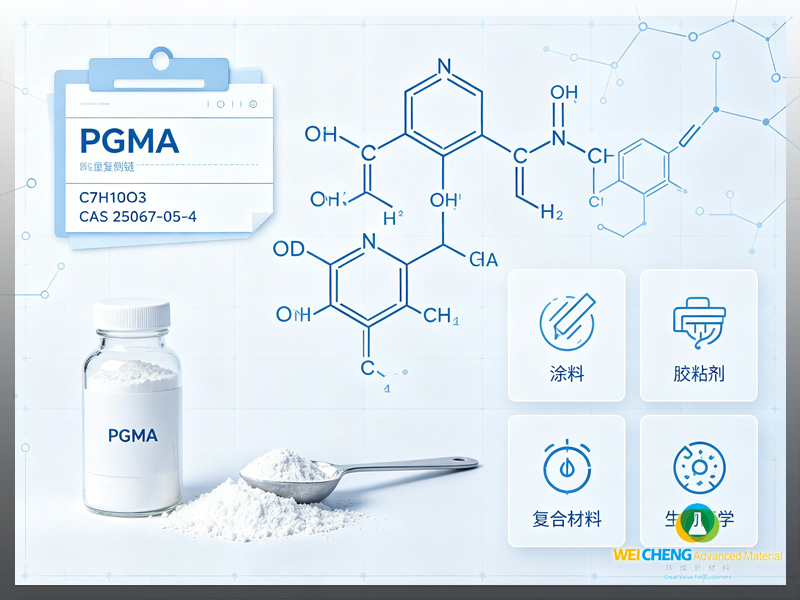
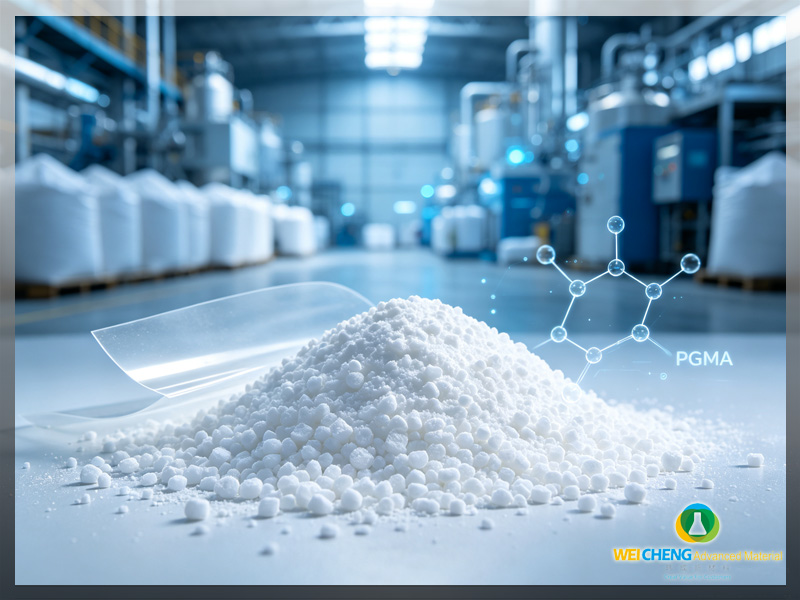
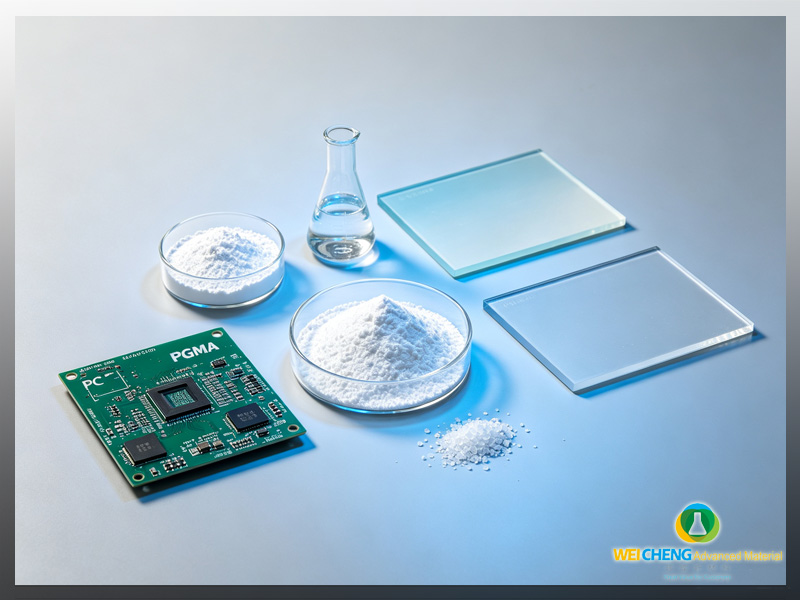
Poly(glycidyl methacrylate) (PGMA) is a versatile functional acrylic polymer carrying abundant reactive pendant epoxy groups. Benefiting from controllable molecular weight, adjustable reactivity and excellent compatibility, PGMA covers extensive application areas, ranging from industrial coatings, biodegradable plastics to cutting-edge biomedical materials and advanced nanocomposites.Weicheng Advanced Material (Shandong) Co., Ltd supplies industrial-grade customizable PGMA (Mw 40,000–80,000), widely adopted in coatings, PCB UV solder resist ink and PLA/PBAT biodegradable plastic modification.
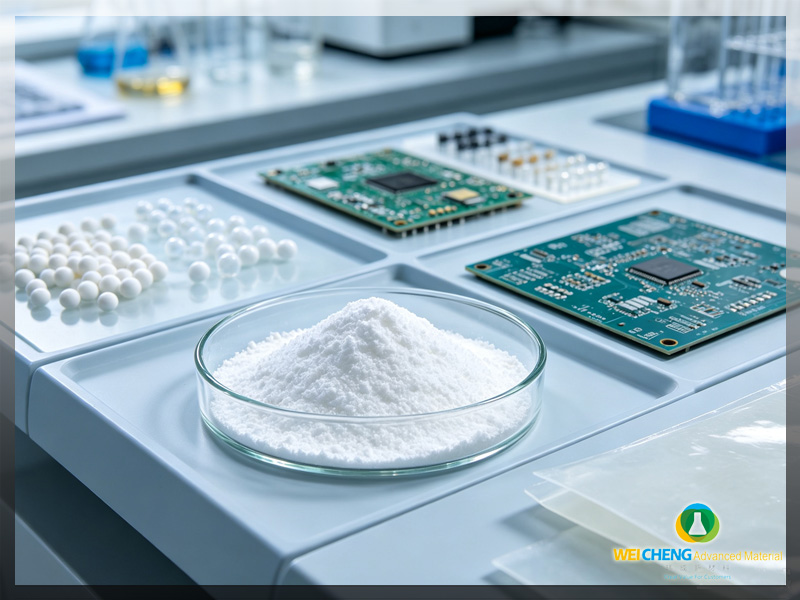
1. Biomedical and Pharmaceutical Applications
PGMA possesses favorable biocompatibility and abundant reactive epoxy sites, making it a promising material for biomedical and pharmaceutical research.
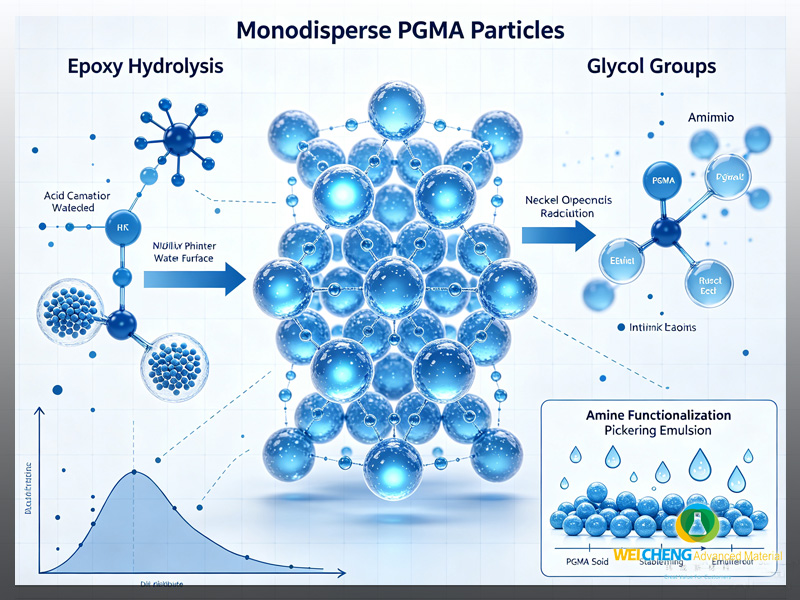
Drug & Gene DeliveryPGMA fabricated nanoparticles, micelles and microcapsules serve as carriers to encapsulate drugs or nucleic acid substances, realizing sustained and targeted controlled release.
Protein & Enzyme ImmobilizationEpoxy groups on PGMA can covalently bind proteins, enzymes and antibodies. This characteristic is widely used for biosensor substrates and biocatalytic carriers.
Tissue EngineeringPGMA crosslinked hydrogels and porous scaffolds construct biocompatible microenvironment, supporting cell adhesion, proliferation and tissue regeneration.
2. Nanocomposites and Advanced Functional Materials
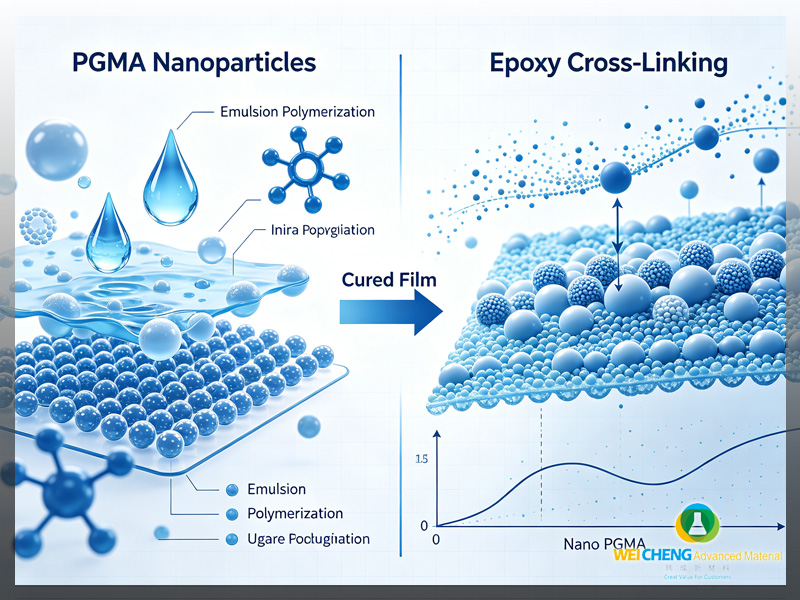
PGMA can be grafted onto nanofillers including layered clay, cellulose nanocrystals and carbon materials. It solves poor interfacial compatibility between inorganic fillers and polymer substrates.
Polymer NanocompositesPGMA-modified nanofillers are blended with epoxy resin, PLA and other polymers to boost mechanical strength, thermal stability and gas barrier performance.
High-performance Functional CoatingsPGMA nanocomposites form transparent, scratch-resistant protective films for optical components and electronic products.
Stimuli-Responsive Smart MaterialsChemically modified PGMA derivatives achieve pH-sensitive, thermo-responsive properties, with great prospect for intelligent response systems.
3. Surface Modification and Adhesive Systems
Reactive epoxy functional groups enable PGMA to act as an efficient surface modifier and adhesion promoter.
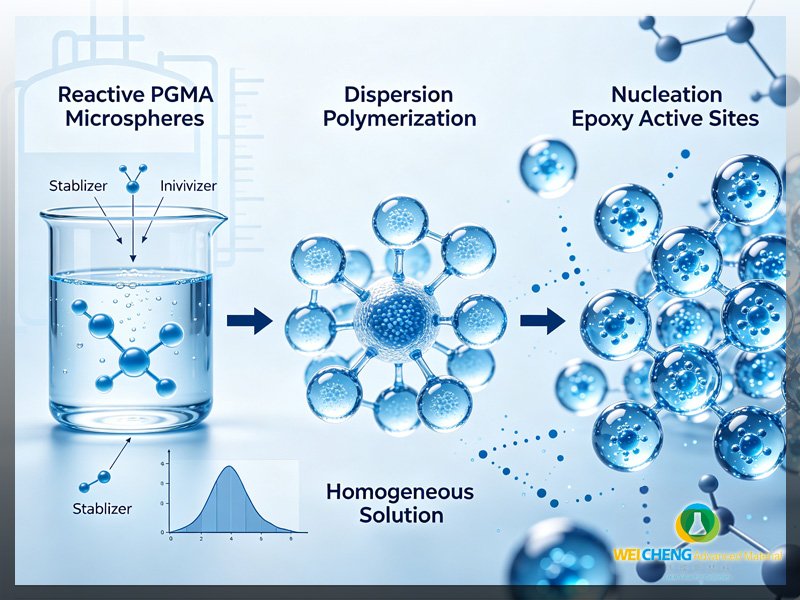
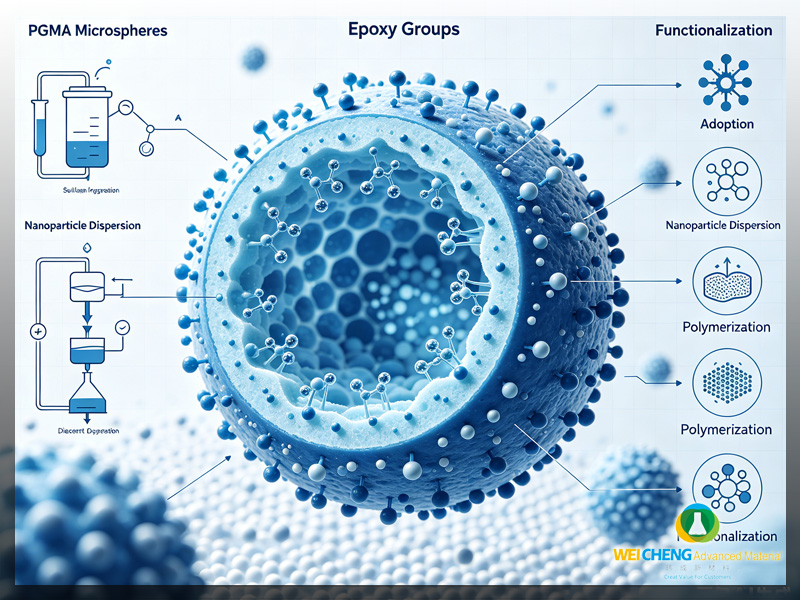
Solid-phase Synthesis CarriersPGMA microspheres can be further functionalized, applied as solid-phase medium for organic synthesis and chromatographic purification.
Modifier for Adhesives & Protective CoatingsBlended into epoxy and acrylic adhesive formulations, PGMA improves impact resistance and strengthens interfacial bonding with fillers and substrates.
Polymer Grafting & CompatibilizerPGMA works as coupling agent to graft onto different polymer chains, enhancing interfacial adhesion of immiscible polymer blends.
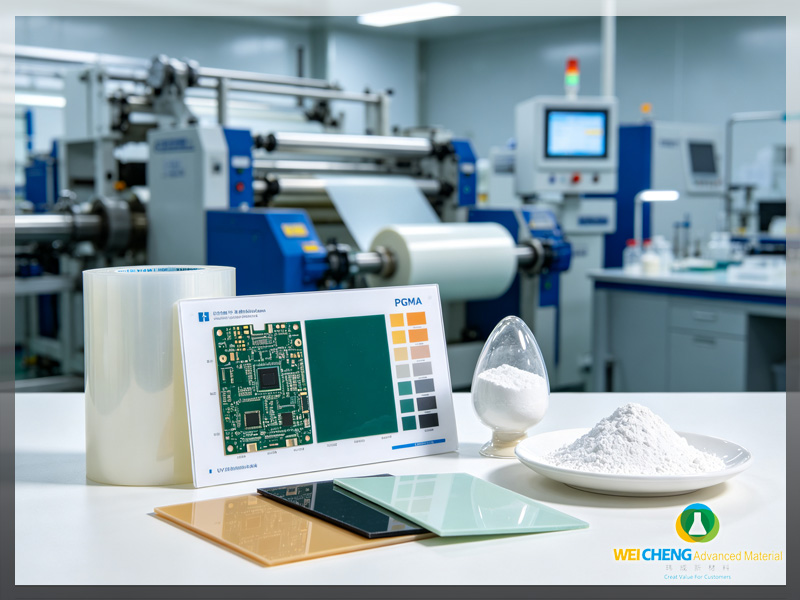
4. Industrial Mature Applications (Commercial Mass Usage)
Apart from laboratory advanced materials research, PGMA has achieved large-scale industrialization:
✅ Chain extender for PLA/PBAT biodegradable plastics
✅ Functional additive for PCB dual-curing UV solder resist ink
✅ Modifier for powder coatings and UV curable industrial coatings
✅ Compatibilizer for polymer alloy modification
5. Emerging Research Applications
Ongoing research continuously expands the application boundary of PGMA and its derivatives:
Antimicrobial Materials: PGMA modified with quaternary ammonium salts displays durable antibacterial activity.
Catalytic supports & Separation Adsorbents: PGMA carriers immobilize homogeneous catalysts; applied for wastewater separation and substance purification.
Stimuli-responsive separation membranes: PGMA functionalized membranes realize adjustable permeability under external environmental triggers.
Summary
PGMA is a multi-purpose functional polymer. Its reactive epoxy groups are the core of all application scenarios. Laboratory research focuses on biomedical carriers and smart responsive materials, while industrial manufacturing mainly utilizes PGMA as reactive modifier for biodegradable plastics, electronic inks and coatings.
Weicheng Advanced Material PGMA Supply
✅ Custom molecular weight PGMA: Mw 40,000–80,000
✅ Low-yellowing electronic grade for PCB ink
✅ Low residual monomer, stable batch consistency
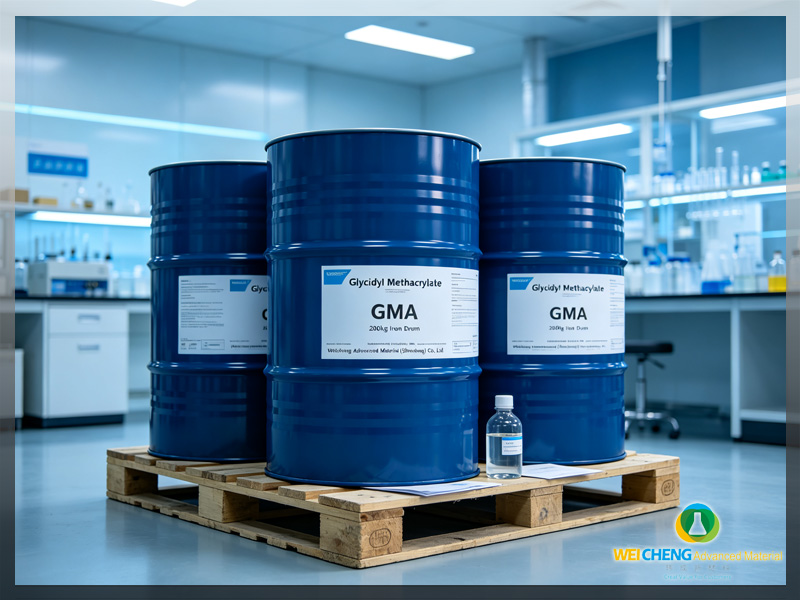
✅ Self-produced high-purity 99.9% GMA monomer
✅ ISO certified, EU REACH compliant
✅ Complete COA, TDS, MSDS documents for export
Contact Weicheng Advanced Material (Shandong) Co., Ltd to get PGMA samples and technical parameters.

 Home
Home Products
 News
News Call
Call